
Companion Care in Columbia SC
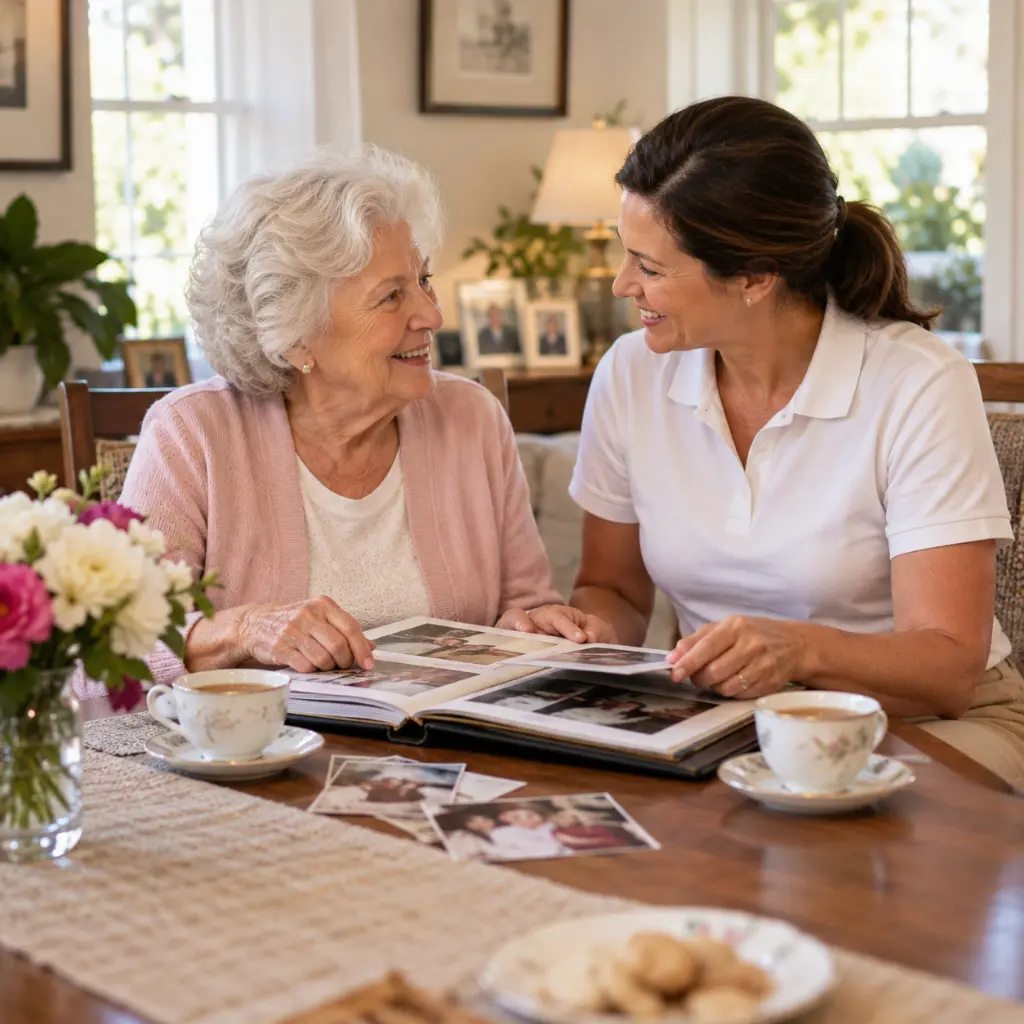
Companion care is non-medical, non-hands-on in-home support that provides supervision, conversation, and help around the house for seniors who are largely independent with personal hygiene and mobility. Bell's Home Care Professionals provides companion care across Columbia, SC and the surrounding Midlands, matching every client with a caregiver suited to their personality and daily routine.
Isolation is a more serious health issue than most families realize. The CDC reports that social isolation is associated with about a 50% increased risk of dementia, a 29% increased risk of heart disease, and a 32% increased risk of stroke among older adults. Companion care exists specifically to close that gap — not just to keep someone company, but to protect their health.
What's Included in Companion Care
- Friendly companionship and meaningful conversation
- Meal planning and preparation
- Light housekeeping, laundry, and tidying
- Medication reminders (reminding, not administering medication)
- Transportation to medical appointments, errands, and social outings
- General safety supervision and fall-risk awareness
- Engagement in hobbies, games, and mentally stimulating activities
Companion Care vs. Personal Care
The simplest way to tell the two apart: companion care provides supervision and social support, while personal care adds hands-on help with bathing, dressing, and mobility. If your loved one needs physical assistance rather than just companionship and safety monitoring, visit our Personal Care page — or read our full comparison guide, “Companion Care vs. Personal Care: What's the Difference?,” for a detailed side-by-side breakdown.
Signs Companion Care May Be the Right Fit
- Your loved one can bathe, dress, and use the bathroom independently
- They're steady on their feet with no recent falls
- They seem isolated, bored, or say they're “fine” but rarely leave the house
- They occasionally forget errands, bills, or appointments
- Family wants someone to check in and spend time with their loved one regularly
- They would benefit from regular conversation and meaningful companionship
Your Complete Guide to Our Healthcare Services
In-Home Care
Compassionate in-home care for daily routines, personal care, and everyday needs at home.
Personal Care
Assistance with bathing, dressing, toileting, and mobility for individuals who need support with personal care.
Respite Care
Short-term relief for family caregivers, from a few hours a week to extended coverage.
24-Hour & Live-In Care
Continuous supervision for clients who can no longer be safely left alone.
Companion Care
Friendly companionship, supervision, light housekeeping, meal preparation, and transportation for daily routines.
Health Reminders
Medication, hydration, and appointment reminders to support daily routines.
Wellness Calls
Regular phone check-ins for clients who need a lighter-touch safety net.
Transportation
Safe, accompanied rides to medical appointments, errands, and social outings.
Common Challenges Families Face — and How We Help
“My parent says they don’t need help.”
Companion care is often the easiest starting point emotionally, since it doesn't involve personal hygiene assistance — many clients come to enjoy the company more than they expected.
“Will my parent accept a caregiver in the home?”
We introduce care gradually, starting at whatever level feels comfortable, and prioritize caregiver-client compatibility from day one.
“What if their needs increase?”
We walk every family through private-pay rates, Medicaid waiver eligibility, veterans' benefits, and long-term care insurance during the assessment, so there are no surprises.
How Our Companion Care Process Works
01
Free in-home assessment
we get to know your loved one's routine, interests, and any safety concerns.
02
Personalized care plan
built around their preferences and the specific companion care tasks that matter most to your family.
03
Caregiver matching
we pair your loved one with a compatible caregiver, prioritizing shared interests and personality fit.
04
Ongoing review
we monitor how the relationship and care plan are working, and adjust as needed.
Why South Carolina Families Choose Bell's for Companion Care
Bell’s Home Care Professionals has been licensed and insured in South Carolina since 2018. Companion care is often a family’s first experience with professional home care, and we treat that first impression seriously — every caregiver is matched intentionally, not simply the next name on a schedule, because a genuine relationship is what makes companion care effective.
Cost & Payment Options
Companion care typically runs $25–$30 per hour in the Columbia, SC area as of 2026. See our full 2026 pricing guide for current rates across all service levels. Private pay, South Carolina’s Community Choices Medicaid Waiver, veterans’ benefits, and long-term care insurance may all apply — ask about your options during your free assessment.
Do You Have Questions?
For further inquiries, please don’t hesitate to reach out to us through our contact form. We’ll get in touch with you as soon as possible.
Frequently Asked Questions
Q: What is companion care exactly?
Companion care is non-medical, non-hands-on support for seniors who are largely independent with personal hygiene but need supervision, social connection, and help with daily logistics like meals, errands, and light housekeeping.
Q: Is companion care the same as personal care?
No. Companion care does not involve physical, hands-on assistance. Personal care includes everything in companion care plus hands-on help with bathing, dressing, toileting, and mobility. See our full comparison guide, “Companion Care vs. Personal Care,” for a detailed breakdown.
Q: How much does companion care cost in Columbia, SC?
Companion care typically runs $25–$30 per hour in the Columbia, SC area as of 2026, depending on the schedule and hours needed per week. See our full pricing guide for current rates.
Q: Can companion care help with loneliness and isolation?
Yes — that's one of its primary purposes. Regular social engagement is core to every companion care visit, including conversation, shared activities, and accompanied outings, specifically to address the isolation many seniors experience living alone.
Q: Can companion care turn into personal care later?
Yes, and it's one of the most common transitions we manage. As physical needs increase, we can add personal care tasks to an existing companion care plan — often with the same caregiver — rather than starting over with a new service.
This website uses cookies to ensure you get the best experience on our website.
Contact Details
Service Areas: Allendale, Aiken, Bamberg, Calhoun, Chester, Clarendon, Darlington, Fairfield, Florence, Kershaw, Lancaster, Lee, Lexington, Newberry, Orangeburg, Saluda, Sumter


1122 Lady Street Ste 226, Columbia, SC, 29201


© Copyright 2020 - 2026 Bells Home care Professional